
Patio Builder & Contractor
Custom wood and composite decks for flat lots and hillside properties — designed and built by Ryan, the owner, from footings to finish.
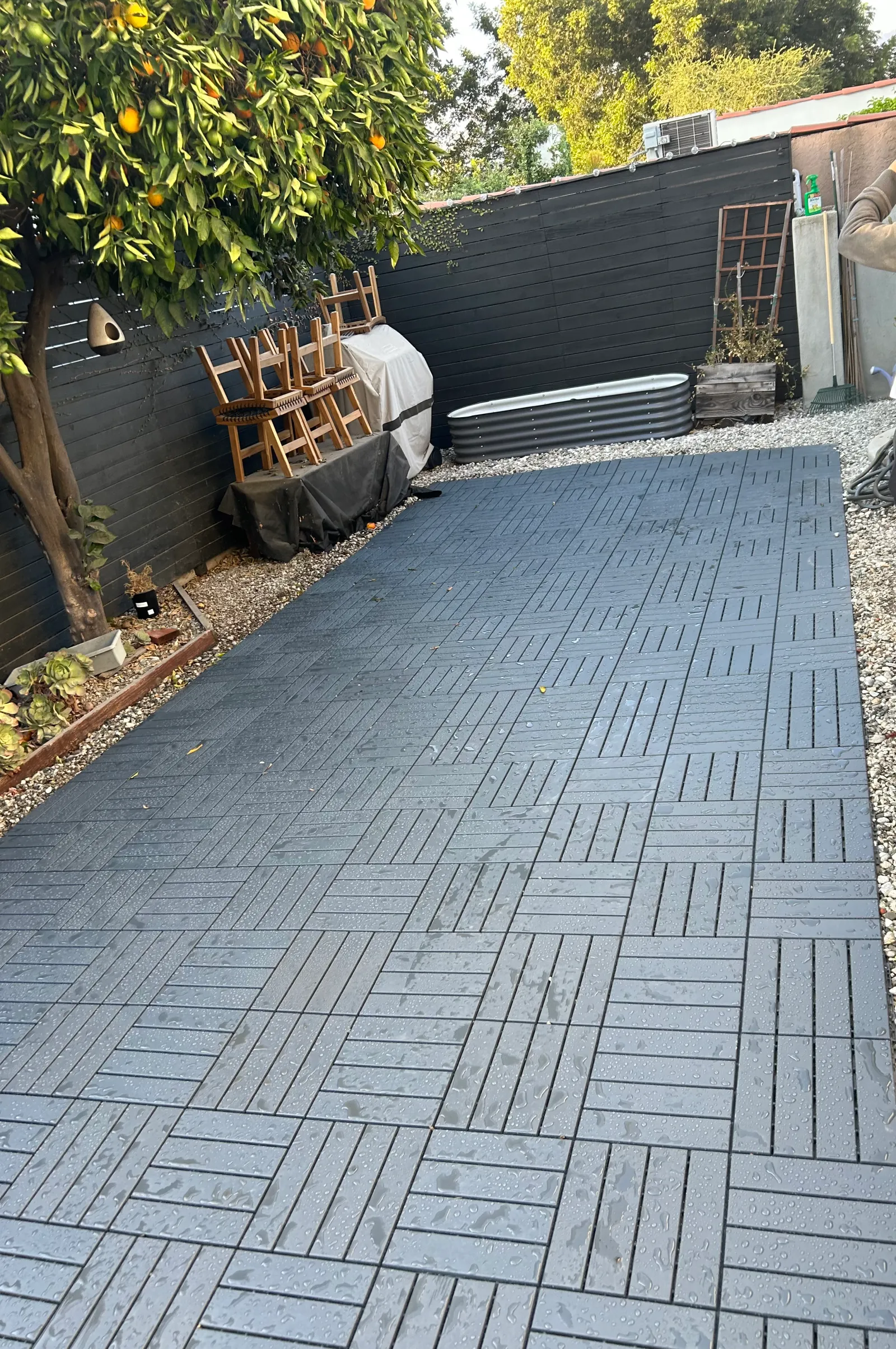
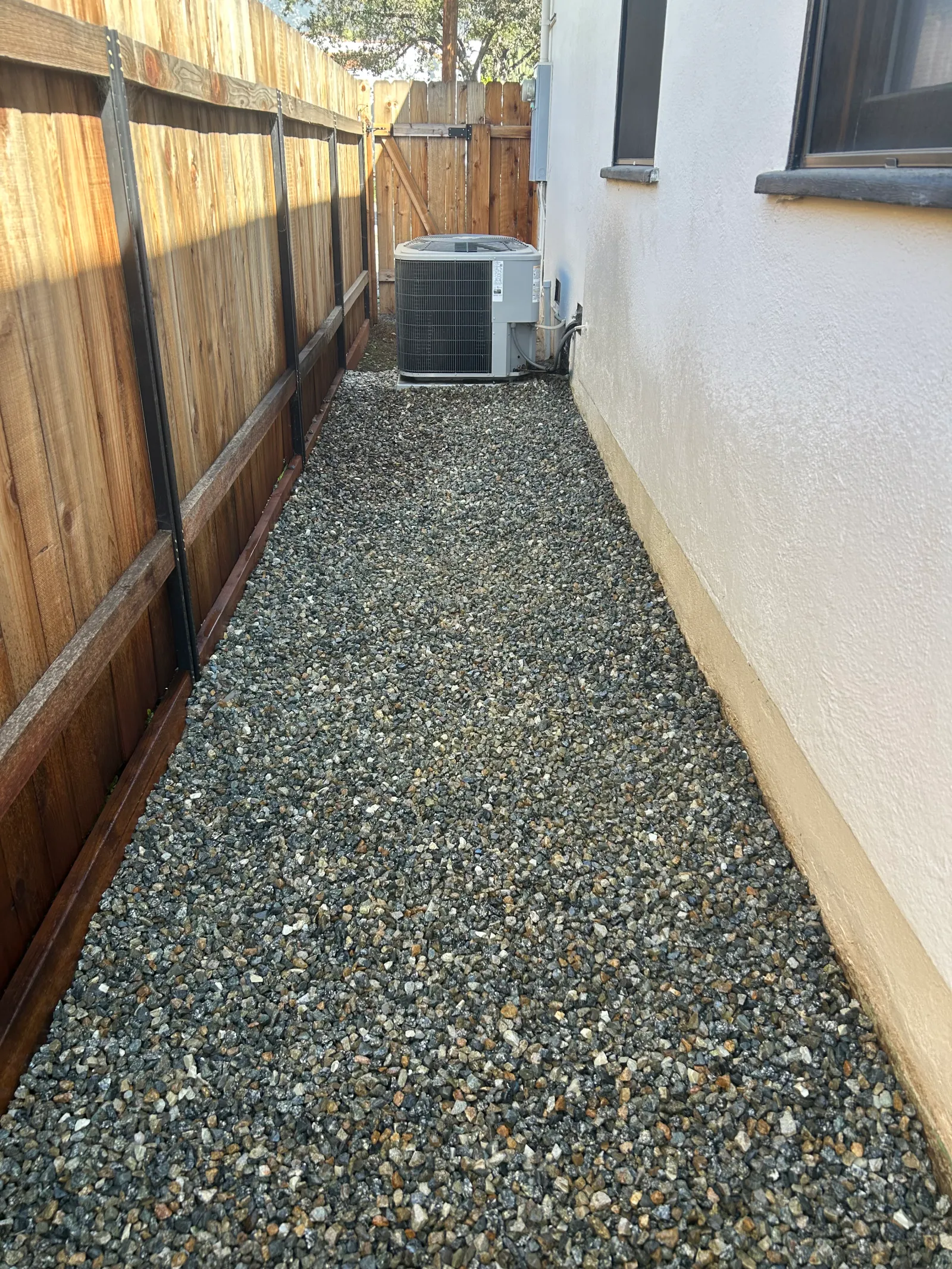
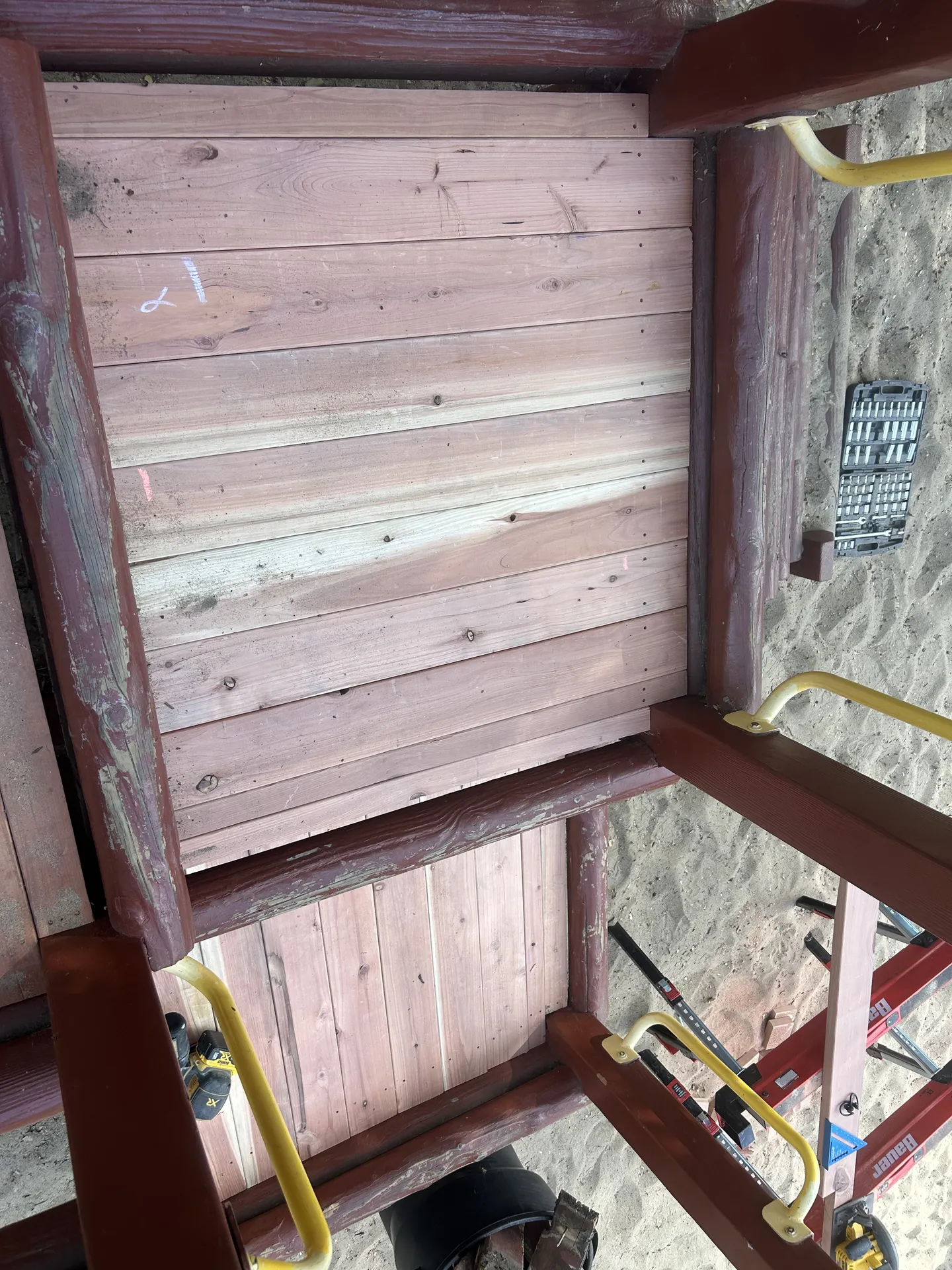
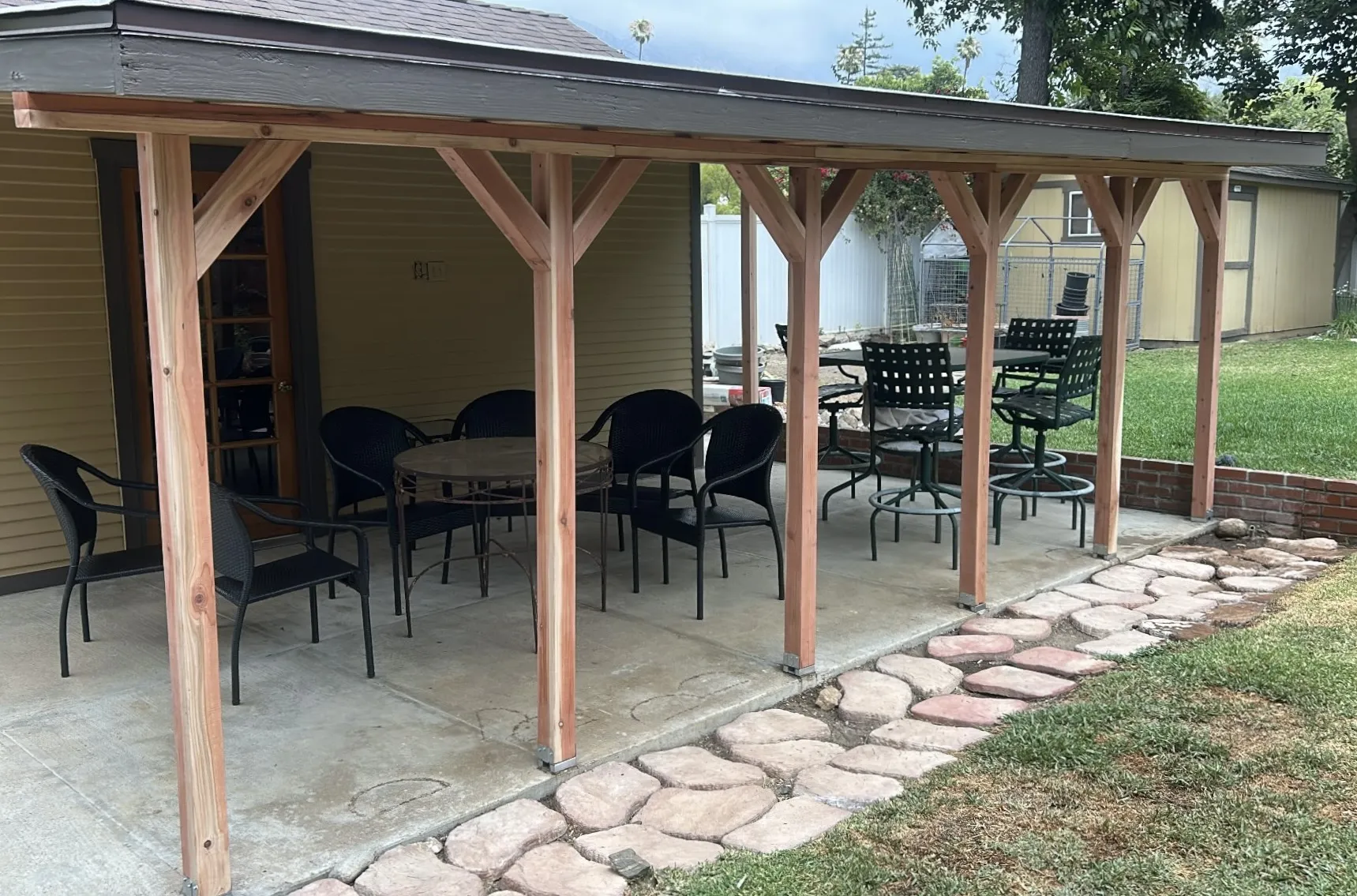
See the transformation
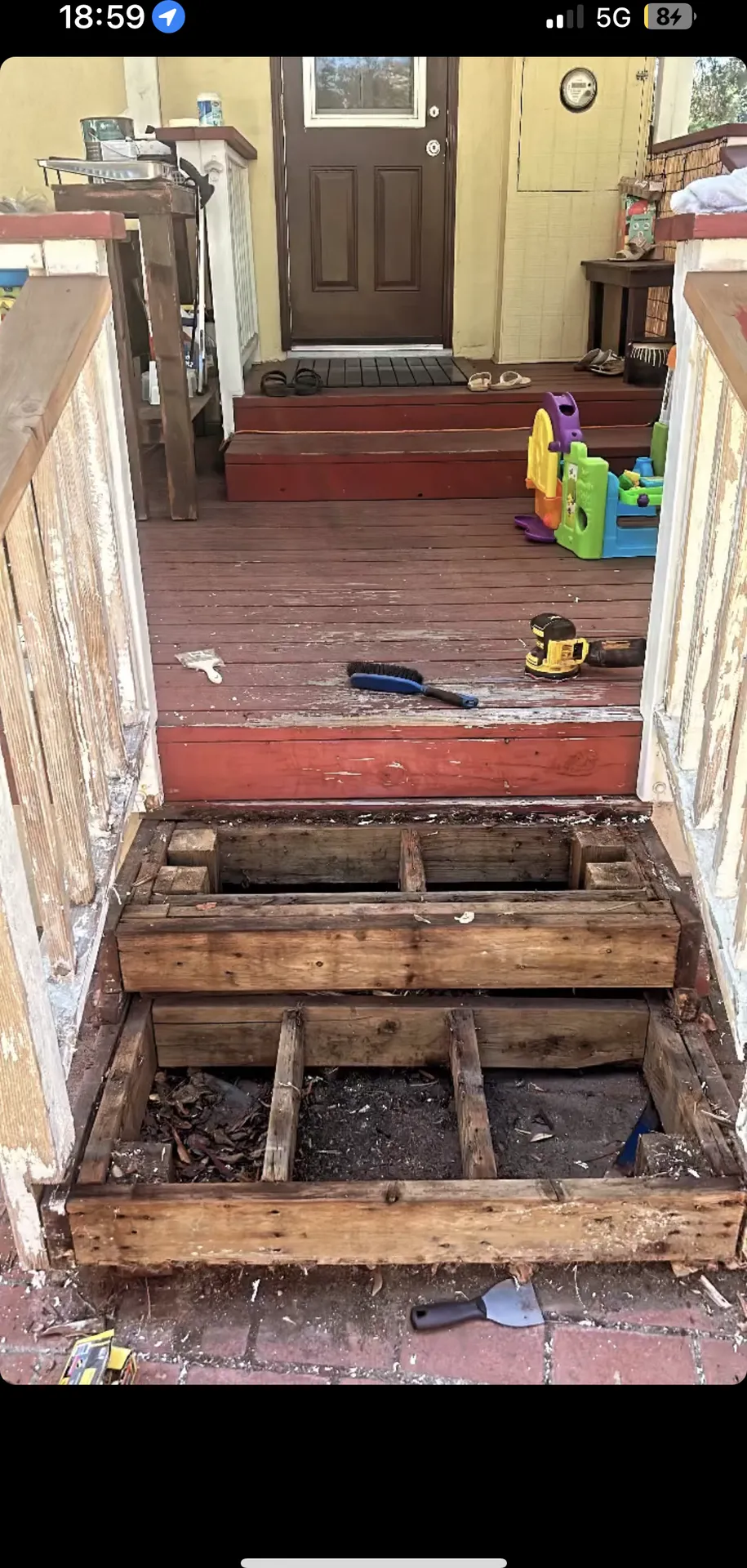 Before
 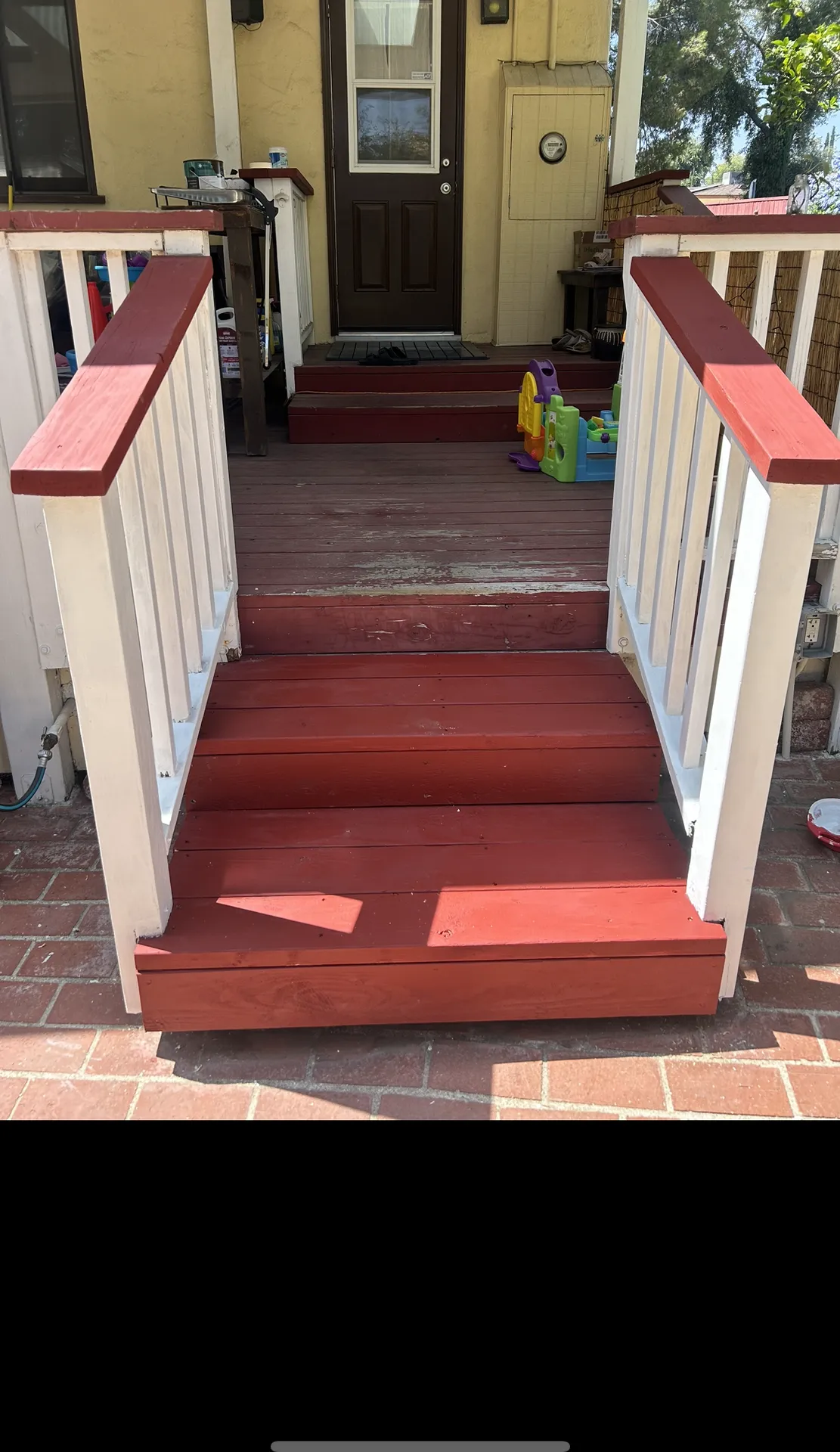 After
After Decks that earn their space
A deck turns the space between your back door and your yard into somewhere you actually use. But it has to earn it — framing that handles the load, footings that reach stable soil, materials that survive the seasons. Ryan builds decks himself, footings to final screw. No crew, no subcontractors.
Deck types we build
Ground-level decks
Close to grade — the simplest, most affordable option for flatter yards. Pressure-treated framing, built to the same structural standard as an elevated deck.
Elevated decks
For raised foundations and hillside lots, common in Altadena. Deeper footings, engineered posts and beams, flashed ledgers, and Simpson hardware at every connection — built to pass LA County inspection.
Hillside decks
Altadena’s toughest builds: cantilevered or tall-post decks anchored to deep footings, engineered for slope and Southern California seismic loads.
Multi-level decks
Stepped levels for terrain a single flat deck won’t fit — distinct dining and lounging zones, stairs built to code.
Materials
- Pressure-treated pine — most affordable; 15–20 years with maintenance, takes stain or paint well
- Cedar & redwood — natural beauty and rot resistance; quality-grade lumber, not big-box warp
- Composite (Trex, TimberTech, Fiberon) — no splinters, rot, or staining; hidden fasteners and 25-year warranties
What makes a deck last
The details most contractors rush: footings to code depth on concrete piers, a properly flashed ledger (the #1 cause of deck collapses nationwide), correctly sized framing with rated Simpson hardware, and airflow under the boards so framing dries out.
Building on Altadena terrain
Altadena isn’t flat. Builds here mean slope analysis, soil evaluation, hillside access logistics, and positioning the deck to capture mountain or city views. Ryan has built on the flats and the steep hillsides across the San Gabriel Valley.
Permits and inspections
Most LA County decks require a permit. Ryan handles submission, revisions, and inspections — the deck passes because it’s built to code from the start, not lucky at inspection.
Ready to discuss your project?
Free estimates. No pressure. Just honest advice from Ryan.
How it works
Call Ryan to discuss your deck ideas
On-site evaluation and design discussion
Detailed written estimate with material options
Build — Ryan on-site from footings to final stain
Pricing guidance
Deck construction in Altadena typically costs $30–$60 per square foot for pressure-treated wood and $45–$85 for composite. A standard 200-square-foot deck runs $6,000–$17,000 depending on material, height, and complexity. Elevated hillside decks cost more due to structural requirements.
Every property is different. Call Ryan to discuss your specific project.
Common questions
How much does a deck cost in Altadena?
Wood or composite — which is better?
Do I need a permit for a deck in Altadena?
How long does deck construction take?
Can you build a deck on a hillside?
You might also need
Serving Altadena & the San Gabriel Valley
Ready to talk about your backyard?
Whether it's a fence, a full renovation, or fire damage restoration — it starts with a conversation.